
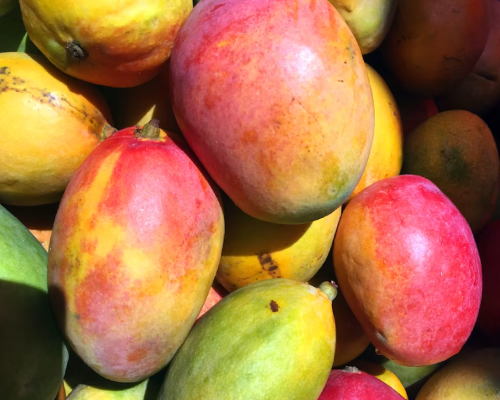
Organic farming has become increasingly important as people seek healthier food, a cleaner environment, and more sustainable agricultural practices. When it comes to fruits, organic farming offers a natural way to grow nutritious produce without relying on harmful synthetic pesticides, chemical fertilisers, or genetically modified organisms. As consumers become more aware of what they eat, organic fruits continue to gain popularity for their quality, freshness, and environmental benefits.
One of the biggest advantages of organic fruit farming is the production of healthier and safer food. Organic fruits are grown using natural compost, crop rotation, and biological pest control methods that help maintain soil fertility while reducing chemical residues. This allows families to enjoy fresh fruits with greater confidence, knowing they are consuming produce cultivated through environmentally responsible practices.
Organic farming also plays a vital role in protecting the environment. Healthy soil acts as the foundation of successful fruit production, and organic methods improve soil structure, increase biodiversity, and encourage beneficial microorganisms. By avoiding harsh chemicals, organic orchards help protect nearby rivers, groundwater, pollinators, birds, and other wildlife that are essential for a balanced ecosystem.
Freshness and flavour are additional reasons why many people prefer organic fruits. Fruits grown naturally often develop richer taste, vibrant colour, and better texture because they mature under healthier growing conditions. Whether it’s apples, mangoes, oranges, peaches, berries, or grapes, organically grown fruits are appreciated for their authentic flavour and nutritional value.
Organic fruit farming also supports long-term sustainability for farmers. By reducing dependence on expensive chemical inputs and focusing on natural farming techniques, growers can build resilient farms that remain productive for future generations. Sustainable farming practices help preserve fertile land while adapting more effectively to changing climate conditions.
Choosing organic fruits is more than a personal health decision—it is an investment in the future of our planet. Every purchase supports farming methods that prioritise clean water, healthy soil, biodiversity, and responsible food production. As demand for safe and naturally grown fruits continues to rise, organic farming stands as a practical solution for creating healthier communities and a more sustainable agricultural future for generations to come.